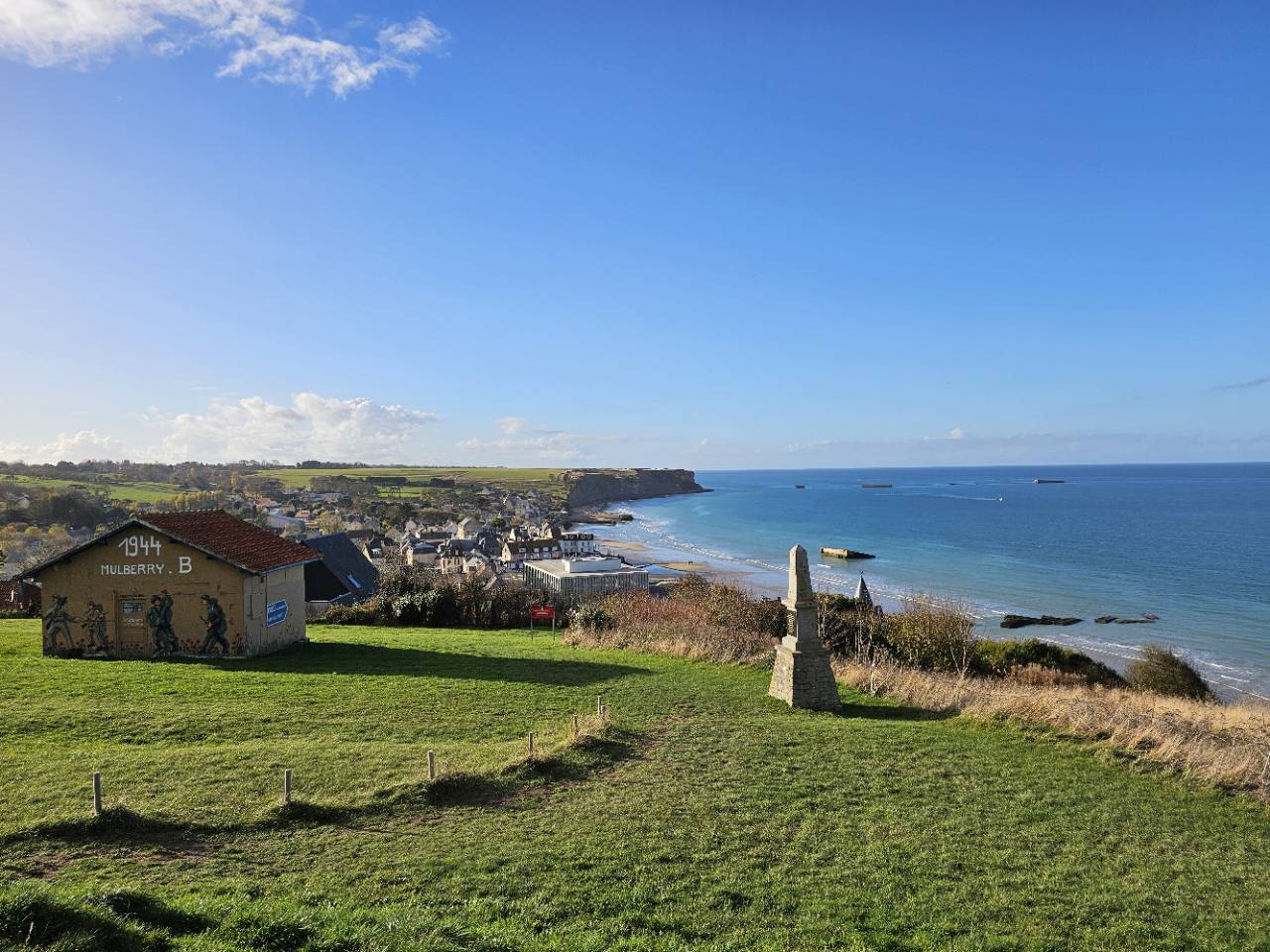
A beach, a sunken lane or a village is more than a backdrop. Terrain, distances and roads help explain the decisions made on the ground. They can never, on their own, reconstruct one person’s exact route.
Begin with what is known
Family research often starts with very little: a name, a unit, a date, a letter or a photograph. These clues are first separated into established facts, leads that still need checking and questions that remain open.
Connect sources to the ground
Maps, operational records, individual files and photographs do not answer the same questions. A source may locate a unit without proving that one man stood at a precise point. That distinction remains visible in the story told during the visit.
Keep the limits visible
A rigorous visit does not fill every silence with an attractive story. It shows what is documented, explains what is probable and preserves uncertainty where it remains. The landscape becomes a way to understand, not evidence on its own.